Meet the Characters
The hitman, the target — and the little one who rewrote the contract.

Adrian Cross
The Hitman Next Door · One Job, One Rule
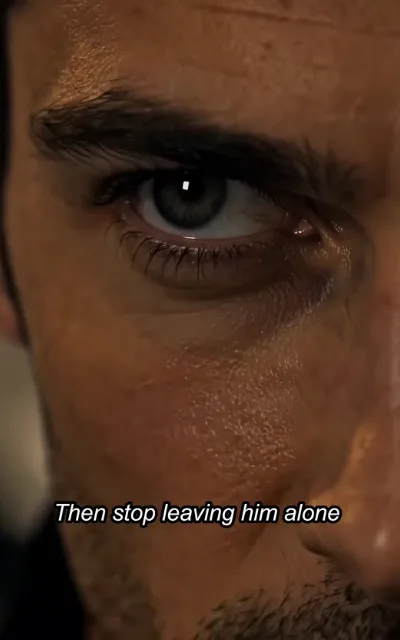
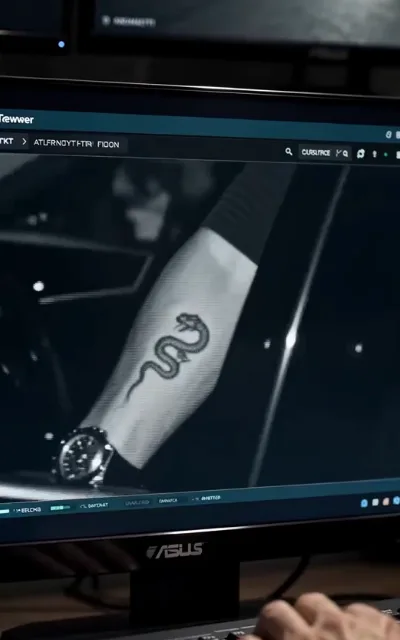
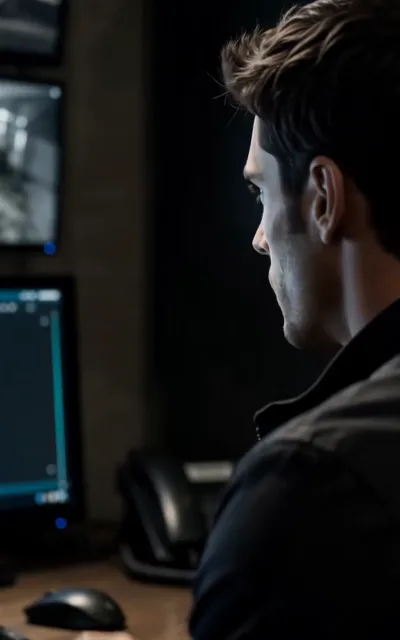
Black shirt, stubble, a quiet moving-in — and a contract on the woman next door with a 72-hour clock. The rule he wrote for himself survives exactly one encounter with "Then stop leaving him alone" (ep1): the surrogate-father awakening, delivered half in tears, that turns a hired killer into a protector. The serpent tattoo and the dive watch (ep3) are the only résumé he carries.

Emma Carter
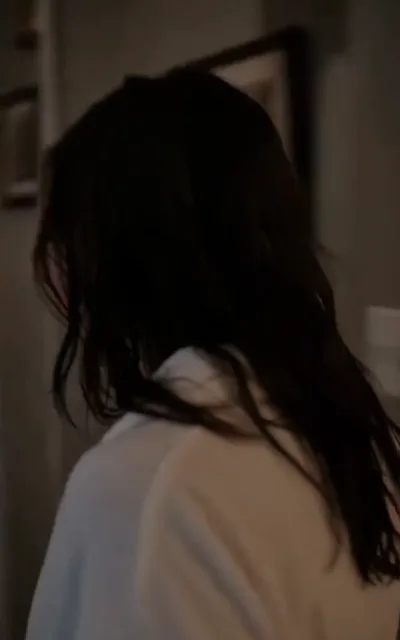
The Target · ER Nurse, Single Mother
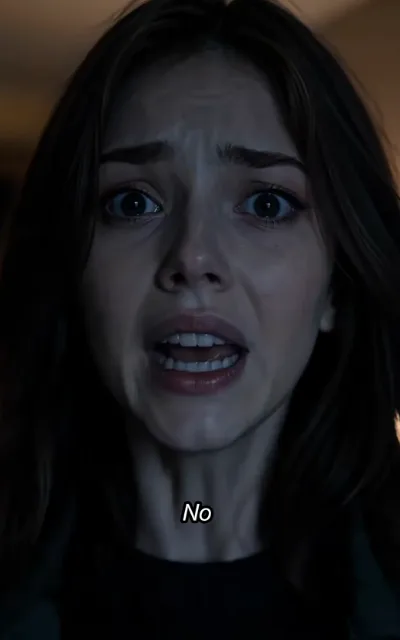
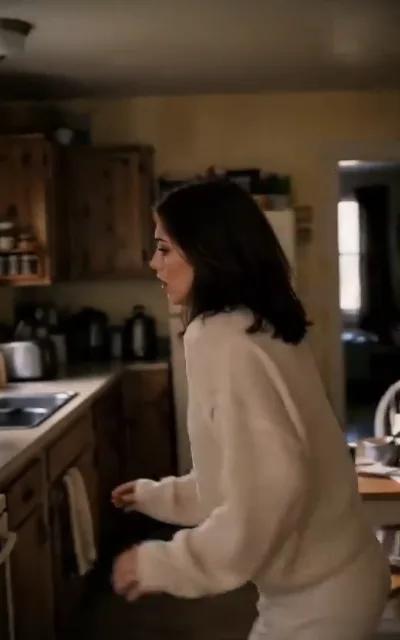
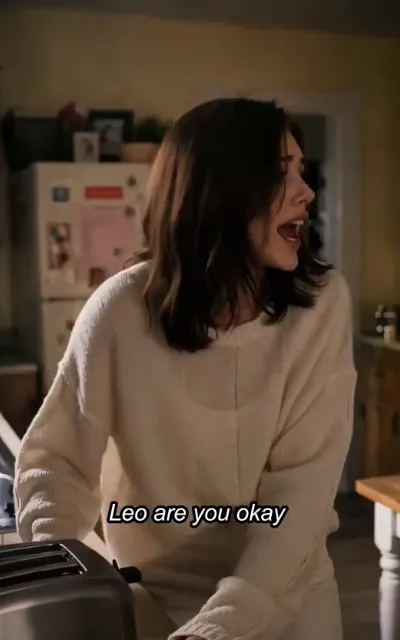
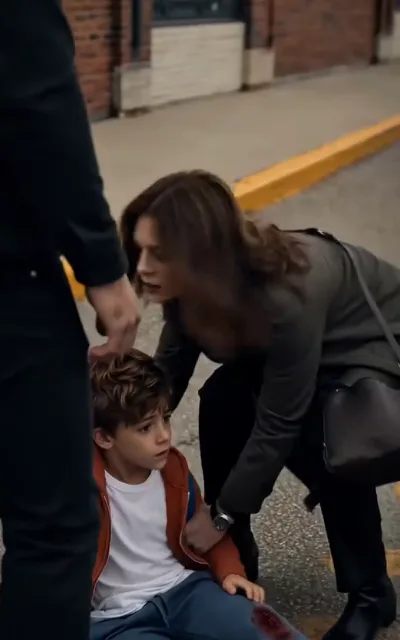
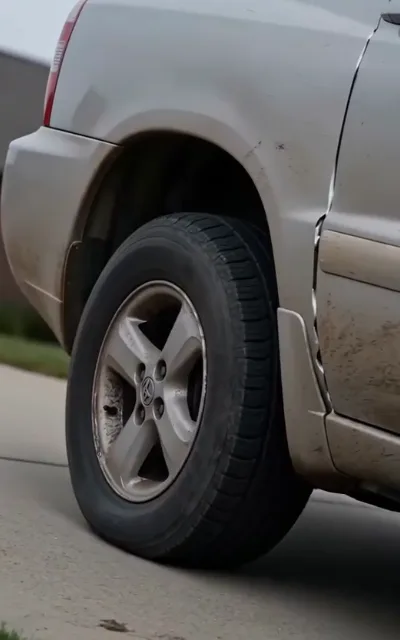
Deep-brown hair, a kitchen, a routine — and a neighbor she doesn’t know is counting down. Her name is already in the system (ep2), her tire is already flat (ep4), and her weapons are "Leo are you okay" (ep2) and a mother’s instincts. The alliance that forms around her (ep4-5) is the show’s slow engine.
The Contract, the Broken Robot, and the Rule That Bends
A hitman moves in next door with one job — and meets the one person the job was never supposed to touch.
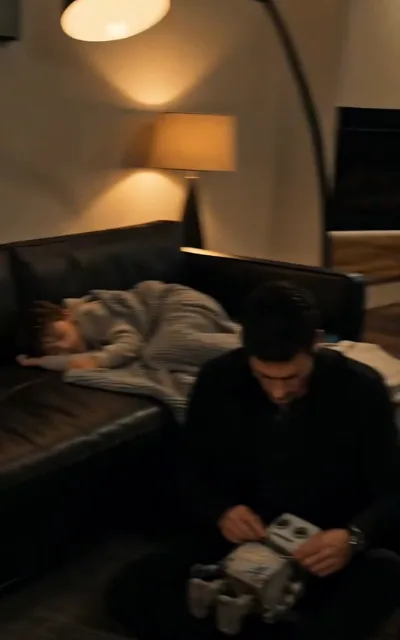
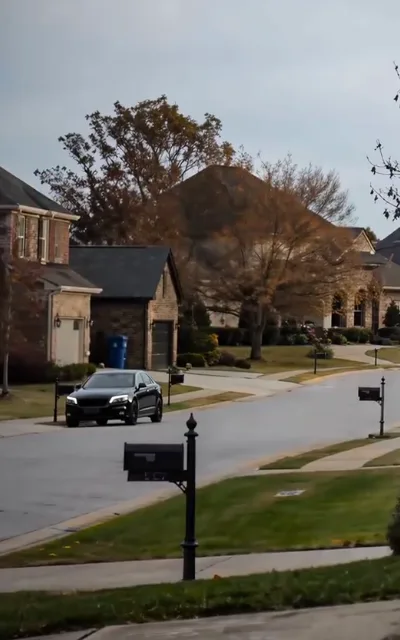
The premise, from the frames themselves: a man takes a phone call and moves in next door (ep1); the target’s son walks in carrying a broken robot from his dead father (ep1); and the killer who took the call is the one caught rebuilding the toy at a bedside (ep1). The awakening lands in a single half-in-tears line at that bedside — no contract survives it.
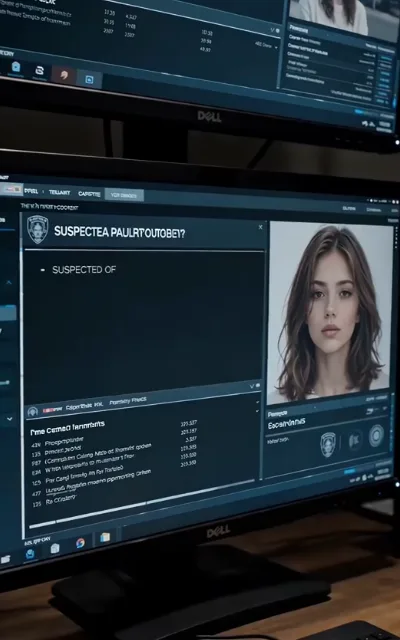
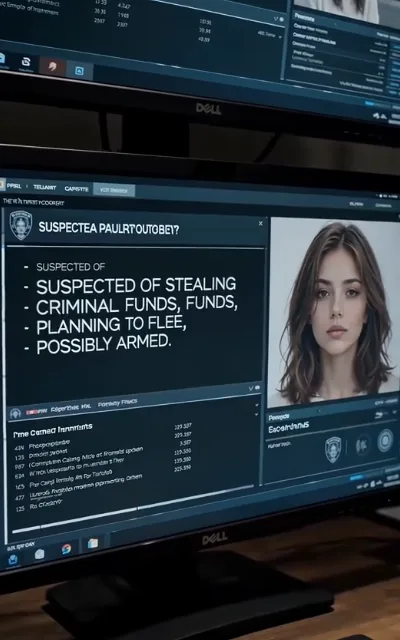
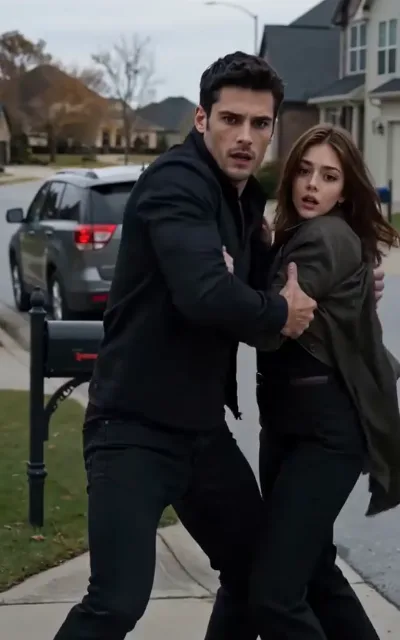
Underneath runs the conspiracy: Emma’s face in a suspect file (ep2), a man with glasses on the street (ep3), a blown tire that isn’t bad luck (ep4) — background stakes, the paperwork and sabotage of someone else’s plan. The protection (ep4) and the front-porch exchange (ep5) are where protector and target start sharing a frame.
Key Moments from My Neighbor Was Hired To Kill Me
25 frames from the series — in-frame English subtitles as aired, unretouched. Swipe on mobile or use the arrows to browse.
Exciting Plot Highlights
Six standout moments from the series — no ending spoilers.
The Contract Call (Episode 1)
Seventy-two hours, one instruction, zero witnesses expected — the job that moves in next door. The frame shows a man and a phone; the dread does the rest.
The Broken Robot (Episode 1)
A toy from a dead father, rebuilt at a bedside by the last person anyone expected — the frame that turns a contract into a story about a son.
The Awakening Line (Episode 1)
Half in tears, four words long — the surrogate-father moment the whole premise hangs on.
The Suspect File (Episode 2)
Emma’s own ID photo in the system, SUSPECTED OF STEALING CRIMINAL FUNDS across the screen — the conspiracy’s paperwork showing up early.
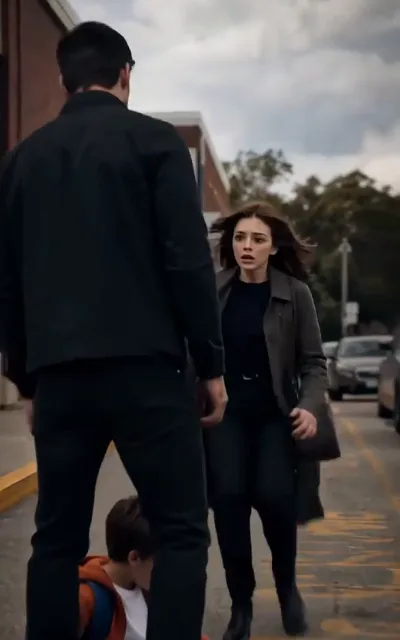
The Blown Tire (Episode 4)
Bad luck that isn’t — sabotage as a plot device, the quietest menace in the show.
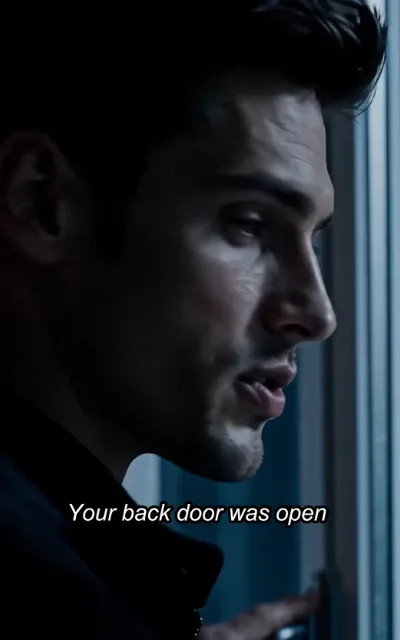
The Front-Porch Exchange (Episode 5)
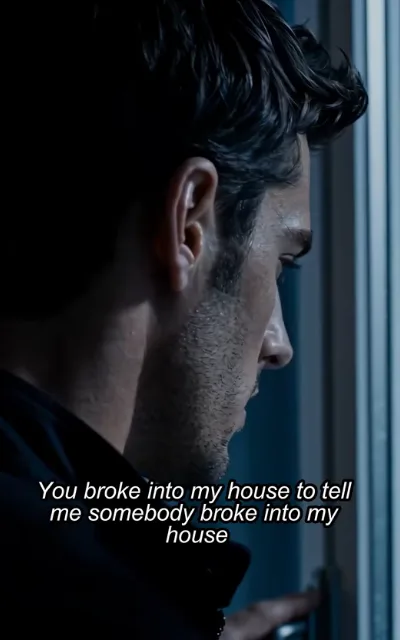
Two lines at the door — "Your back door was open" — and the whole show exhales. The comedy the countdown needed.
Why Worth Your Time
A countdown thriller where the scariest thing in the frame is the tenderness.
The premise is ridiculous until it isn’t: a hitman with 72 hours to finish a contract, and the target’s son wandering into his house with a broken robot. From there the show runs two engines — the countdown doing the thriller work (sabotage, a suspect file, someone else’s plan circling), and the surrogate-father thread doing the emotional work: a toy rebuilt, a scraped knee attended to, an awakening line delivered half in tears.
What holds it together is the hitman’s one rule — the professional line the whole story bends around — and how the show keeps the violence as background stakes: phone calls, paperwork, a blown tire. Episodes 1-5 are free; episodes 6-30 require unlock — the contract call, the robot and the awakening line (ep1) all land inside the free block. English subtitles; about one to one and a half minutes per episode.
What Viewers Are Actually Saying
The ones here for the countdown, and the ones here for the robot.
The first camp came for the premise — a contract, a deadline, and a robot that dismantles it — and report being locked in by the first episode: a hired killer moving in next door, and the target’s son walking straight through the professional distance with a broken toy.
The second camp stays for the craft — the rule never forgotten, the tension redirected by Leo’s presence every time it peaks, and the front-door exchange "You broke into my house to tell me somebody broke into my house" getting the raise its writer deserves.
User Reviews
Viewer voices — from the ones here for the countdown to the ones here for the robot.
Q&A
How many episodes does My Neighbor Was Hired To Kill Me have?
30 episodes (verified on the player; some listings show 5, which reflects only the promotional sample clips). Episodes 1-5 are free; episodes 6-30 require unlock.
How long is each episode?
About one to one and a half minutes per episode (typical mini-drama format), so the free opening block is an easy quick watch.
Is My Neighbor Was Hired To Kill Me a romance?
Not primarily. It’s a suspense thriller: a hitman is hired to kill his neighbor, and the story pivots on her eight-year-old son calling him "Dad" — a parental bond, not a romance trope.
Is it violent?
The premise involves a contract killer, but the show keeps violence as background stakes; the heart of the story is the bond between the hitman, a mother, and her son.
Where can I watch My Neighbor Was Hired To Kill Me?
Stream it right here on the page via the Watch Now button, or continue on the app.
Is there an English version?
Yes, the drama streams with English subtitles burned in.








The premise sounds ridiculous until you watch the first episode. A hitman gets a contract, moves in next door, and the target’s son just... walks into his house and calls him Dad. The broken robot from the dead father is what got me. I was locked in immediately.
I kept waiting for the show to forget its own rule — never in front of a child — and it never does. Every time the tension peaks, Leo’s presence is what redirects it. That’s a smarter thriller mechanic than most big-budget shows manage.
The 72-hour countdown gives every episode teeth, and the neighbor chemistry is carried entirely by looks and silence. Whoever wrote ‘You broke into my house to tell me somebody broke into my house’ deserves a raise.