Meet the Characters
The prince raised in a palace, the pharaoh who calls slave bones replaceable, and the mother who set her son adrift on the Nile.
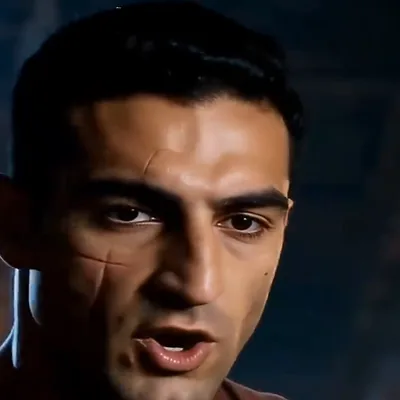
Moses
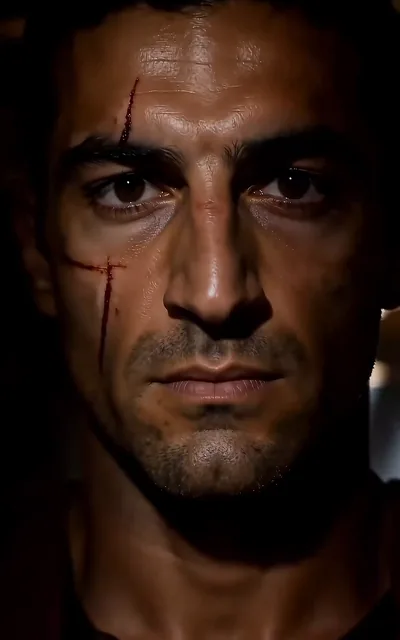
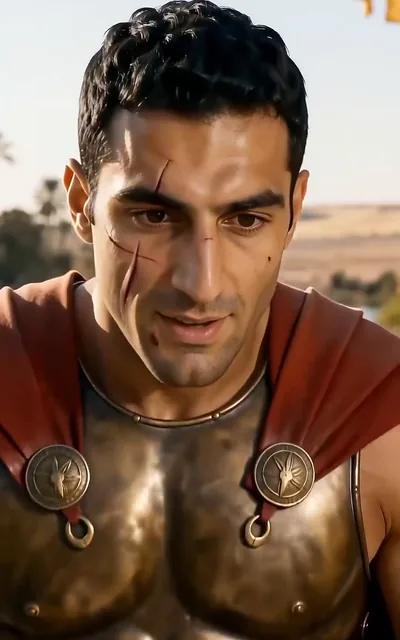
The Hebrew infant drawn from the Nile and raised as an Egyptian prince — a scarred champion caught between two worlds.
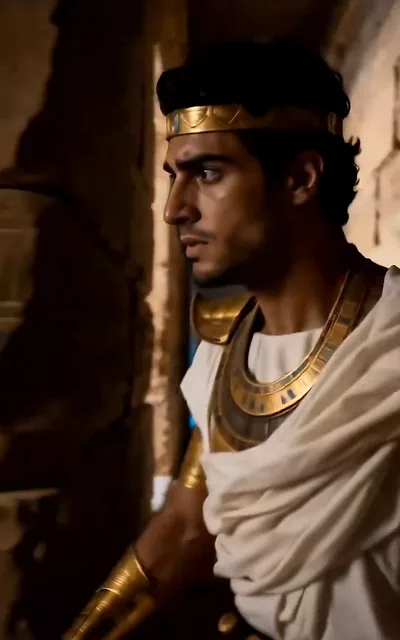
Raised in gilded halls and taught Egypt's writings, he walks in golden regalia yet flinches at the sound of the brick pits. The edict to drown every Hebrew boy was meant to kill him; instead the river delivered him to the very palace that enslaved his people.
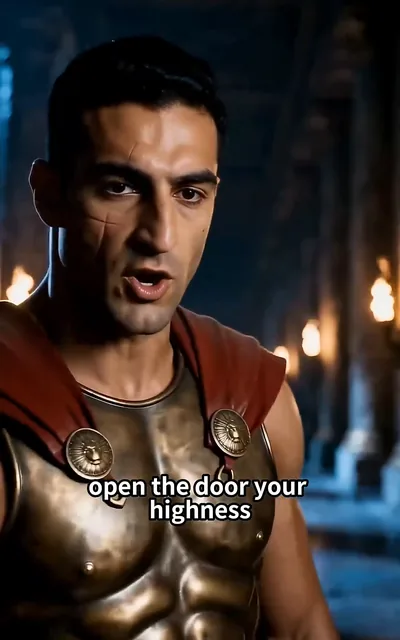
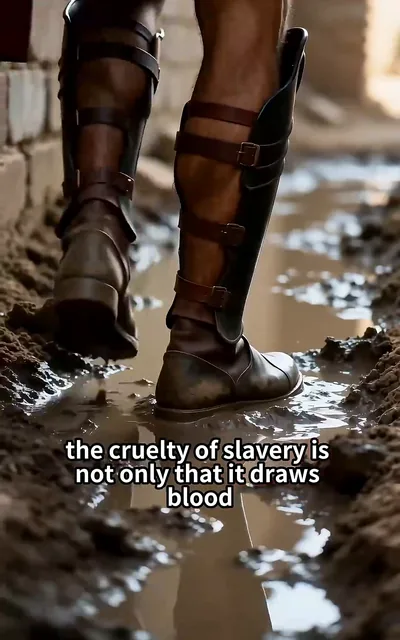
He carries two voices at once. As a prince he is taught the imperial line: 'The more slaves we have, the stronger the empire becomes. In this palace, bloodline is a blade and mercy is weakness.' Yet his birth mother's words will not leave him: 'I lived in the palace, yet I could hear the brick pits. I learned Egypt's writings, yet I could not forget the god my mother spoke of.' When the court corners him in armor he refuses to turn away from the enslaved, and the pharaoh's own men demand to know: 'Would you spill Egyptian blood for a slave?' His answer is already written in the scar on his cheek.
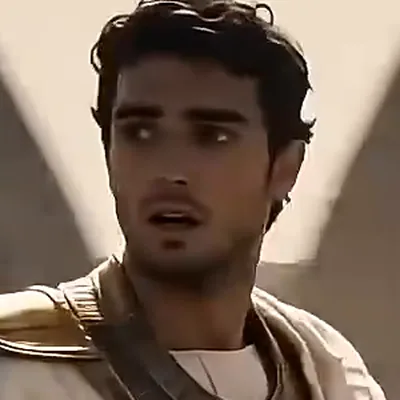
The Pharaoh
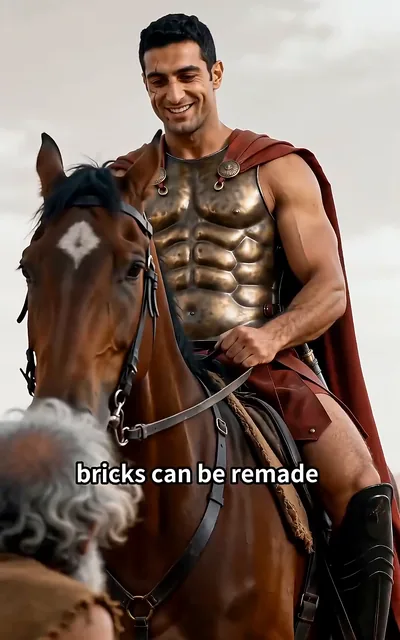
The ruler of Egypt who treats human bones as building material — the young crown that has never known the brick pits.
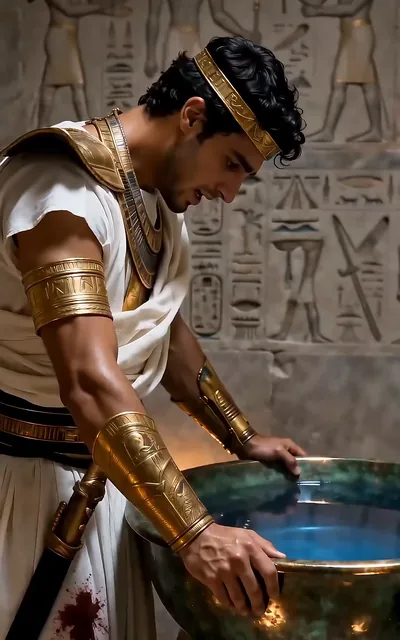
Young, golden, and raised to believe the empire exists to expand, he rules from above the mud and mortar. His court keeps Hebrews in chains by decree, and his word alone condemns infant boys to the Nile.
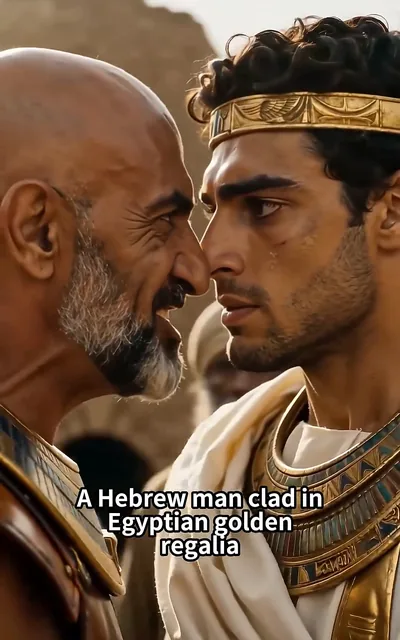
His doctrine is cold arithmetic: 'Bricks can be remade and slave bones can be replaced.' Under his crown the order goes out: 'Every Hebrew male child must be cast into the Nile.' And he sees no contradiction in raising the boy he spared as a royal equal. When that boy defies him in the courtyard, he is bewildered and furious at the ingratitude: 'Moses, stop. Leave them.' To him a Hebrew clad in Egyptian golden regalia is a curiosity, not a brother — until the boy steps between a master and a chained slave.
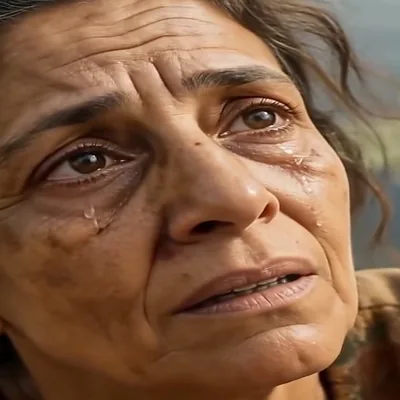
The Mother
The Hebrew woman who cannot keep her son — and who seals her faith in a reed basket on the river.
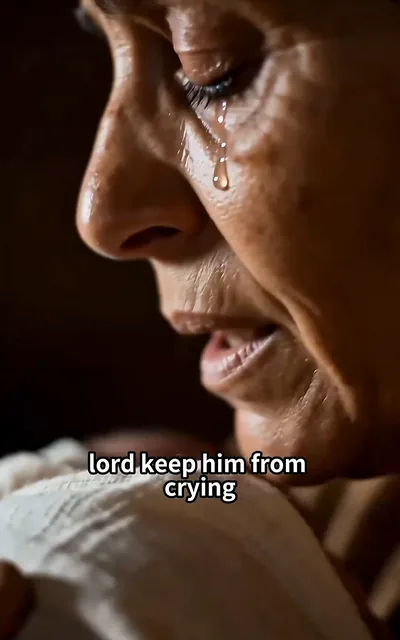
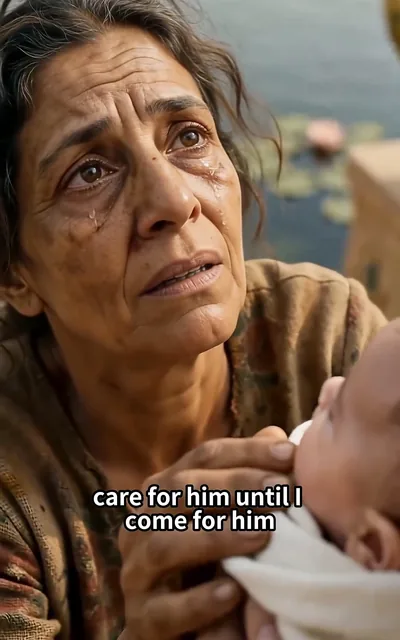
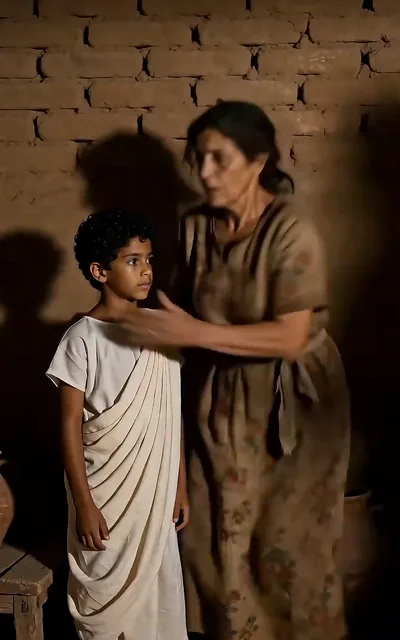
A laborer's wife in the brick pits, she faces the royal edict that would drown her newborn. In tears she hands the child over, trusting a palace woman to keep him alive until she can come for him.
Her first words are a prayer at the water's edge: 'Lord, keep him from crying.' When her kinswoman asks whether she is handing the boy to death, she answers through tears: 'If I cannot keep him in my arms, I will place him upon waters God can see.' Her parting words are the line that haunts the grown prince: 'Care for him until I come for him. God can use a mother's tears and also the mercy of a woman inside a palace. They may give you golden clothes, but they cannot give you your true name.' Long after the palace walls hide him, that question returns — 'Then who am I?'
When Two Worlds Collide
She set him on waters her god could see. The palace raised him as its own. The brick pits never forgot him.
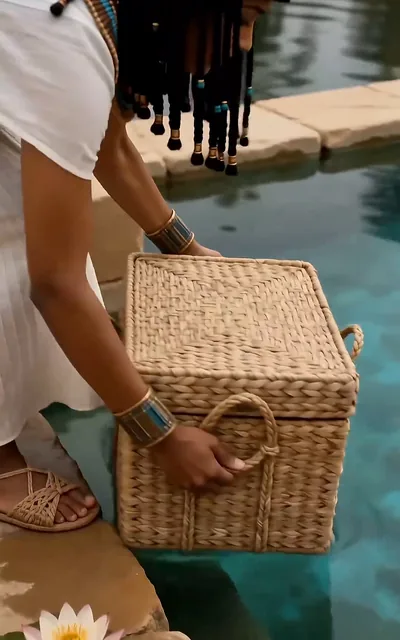
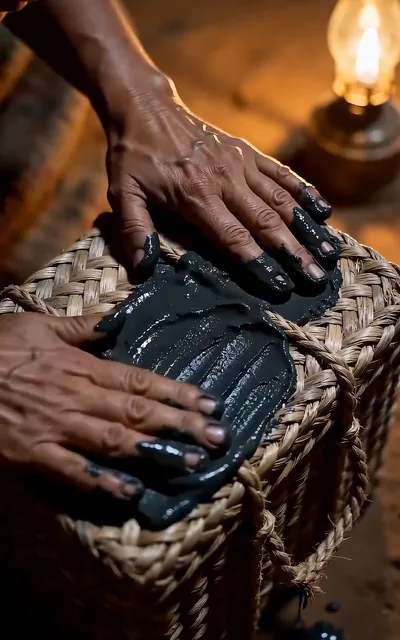
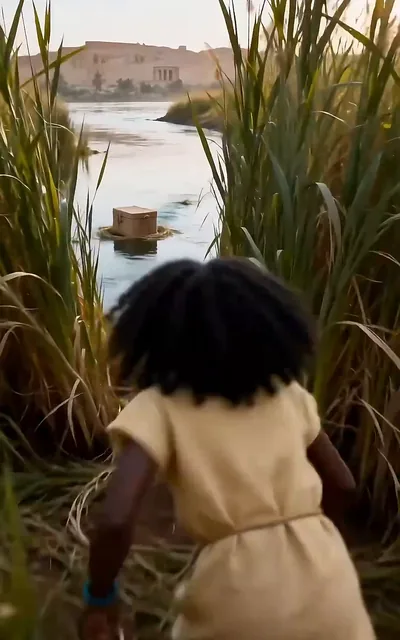
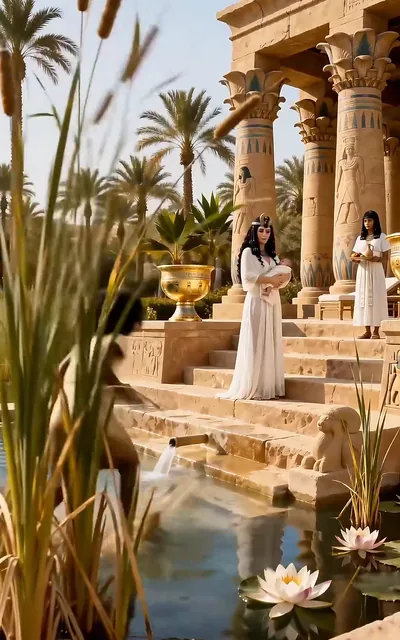
The edict is simple and brutal: 'Every Hebrew male child must be cast into the Nile.' In the brick pits, a mother holds her newborn and whispers a prayer: 'Lord, keep him from crying.' She seals him in reeds, and when asked if she is handing him to the river as death, she answers, 'I will place him upon waters God can see.' The basket drifts into the reeds, where the pharaoh's daughter wades out and lifts the boy out of the water. 'Your highness, this is a child the king ordered to die. I can find a nurse for him.' The child she keeps is the one his real mother can never stop reaching for.
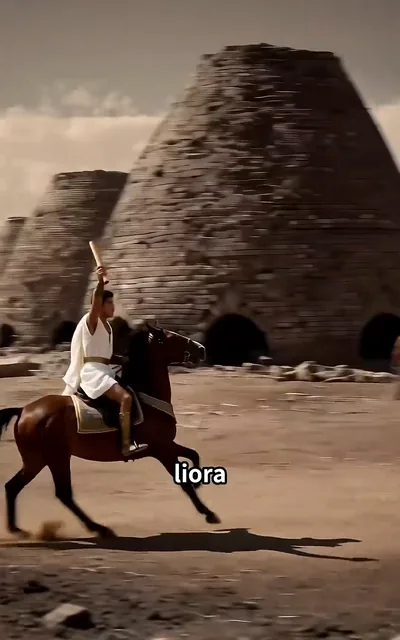
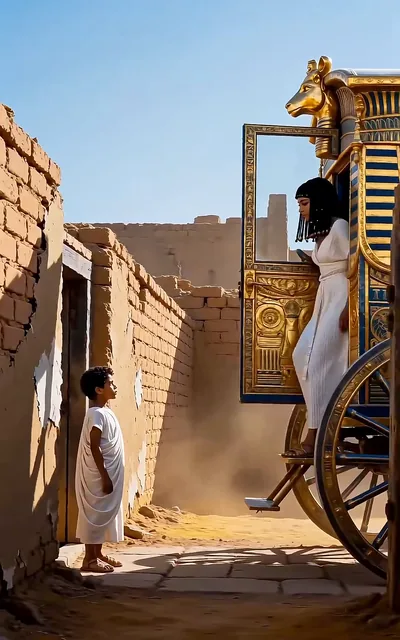
Years pass. The boy grows into a scarred young champion in golden regalia, a prince who rides through the pyramids and stands in the court of the pharaoh. But the palace cannot quiet what his birth mother left in him. 'I lived in the palace, yet I could hear the brick pits. I learned Egypt's writings, yet I could not forget the god my mother spoke of.' The pharaoh's doctrine is the opposite of everything he feels: 'Bricks can be remade and slave bones can be replaced.' When he learns the full story of the basket on the river, he asks the question that will define his life: 'Then who am I?'
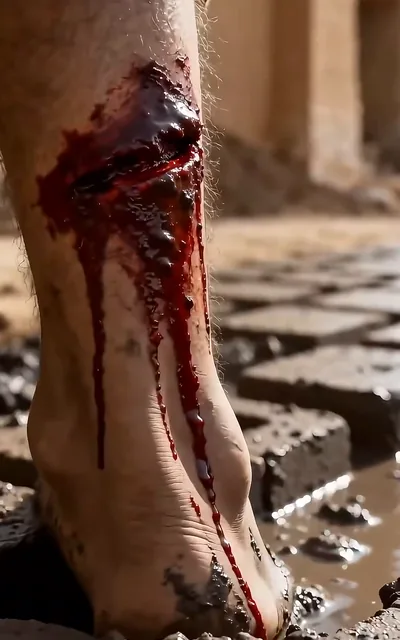
The break comes in the courtyard, where a Hebrew slave is being worked in the mud under an Egyptian overseer. The prince steps between them. The royal guards close in: 'Come alone. A Hebrew man clad in Egyptian golden regalia.' The pharaoh himself confronts him, incredulous: 'Moses, stop. Leave them.' And the question is put to the scarred prince like a blade: 'Would you spill Egyptian blood for a slave?' From this moment the boy raised on a palace lap is no longer the crown's. He is the voice the brick pits have been crying out for, and the sea itself will one day open before him.
Key Moments from Moses: Parting the Red Sea
28 frames from the opening episodes — as aired and unretouched. Swipe on mobile or use the arrows to browse.
Exciting Plot Highlights
Four moments that define the opening arc — no ending spoilers.
Episode 1 — The Edict and the Basket
The royal order rings out: every Hebrew male child must be cast into the Nile. In the brick pits a mother whispers, 'Lord, keep him from crying,' and seals her newborn in a reed basket. When asked if she is giving him to death, she answers: 'I will place him upon waters God can see.' The basket drifts toward the palace shore.
Episode 3 — Drawn From the Nile
The pharaoh's daughter wades into the reeds and lifts the child out of the water. 'Your highness, this is a child the king ordered to die. I can find a nurse for him.' The mother's commission is carried across the river: 'Care for him until I come for him. They may give you golden clothes, but they cannot give you your true name.'
Episode 5 — The Prince Hears the Brick Pits
Grown and armored, the prince cannot unlearn his mother's voice. 'I lived in the palace, yet I could hear the brick pits. I learned Egypt's writings, yet I could not forget the god my mother spoke of.' The pharaoh's answer is imperial cold: 'The more slaves we have, the stronger the empire becomes. In this palace, bloodline is a blade and mercy is weakness.'
Episode 7 — Who Do You Serve?
The scarred champion steps between an Egyptian overseer and a chained slave. Guards surround him: 'Come alone. A Hebrew man clad in Egyptian golden regalia.' The pharaoh confronts him: 'Moses, stop. Leave them.' Then the blade question: 'Would you spill Egyptian blood for a slave?' The prince does not step back.
What Viewers Are Actually Saying
What the brick-pits opening is doing to the comment section.
Viewers keep pausing on the basket-on-the-Nile opening: a mother placing her son on waters her god can see is the kind of beat that gets clipped immediately. The scarred prince in bronze armor is already being called the most compelling biblical lead in this short-drama slate, and the court line 'would you spill Egyptian blood for a slave' has the comments split between 'he's already chosen' and 'the palace has no idea what it raised.' People are also flagging the mother's tearful performance as the quiet force of the early episodes — 'they cannot give you your true name' is being quoted back at the show every day.
Why Worth Your Time
Three reasons this epic is worth your time.
A protagonist with a split birthright: he is simultaneously the pharaoh's adopted prince and the Hebrew infant the Nile spared. The whole opening arc is the slow, painful discovery of which side of the courtyard he is actually standing on — and the scar on his cheek makes the choice feel lived in, not lectured.
A villain who believes in arithmetic: the pharaoh does not snarl, he reasons — bricks can be remade, bones replaced, the empire grows with more slaves. That calm imperial logic is what makes his eventual collision with the prince feel like a force of nature, not a shouting match.
An epic built on the river's edge: reed baskets, Nile water, golden regalia, mud and mortar, and a sea that the title promises will one part. The opening episodes plant one image on top of another — a crying mother, a palace daughter, a scarred champion — and let the exodus story earn its scale.
User Reviews
Real viewer voices — from the opening-episode crowd to the binge-watchers.
Q&A
How many episodes does Moses: Parting the Red Sea have?
The official player confirms 50 episodes in total.
Is this the complete biblical story?
It is the full short-drama series — the opening episodes cover the Nile basket, the palace raising, and the courtyard confrontation, building toward the iconic parting of the Red Sea promised in the title.
Who is the baby in the reed basket?
The infant Moses, set adrift by his Hebrew mother to escape the royal edict that every Hebrew male child be cast into the Nile. He is drawn from the reeds by the pharaoh's daughter and raised as an Egyptian prince.
Why does the mother set him on the river?
She cannot keep him, and she trusts the river rather than the palace guards. Her own words are: 'If I cannot keep him in my arms, I will place him upon waters God can see.'
Who is the antagonist?
The young pharaoh, raised to believe the empire grows with more slaves. His doctrine is that bricks can be remade and slave bones replaced — and he is the one who confronts the scarred prince in the courtyard.
What happens in the courtyard confrontation?
The scarred prince steps between an Egyptian overseer and a chained Hebrew slave. Guards surround him and the pharaoh demands to know whether he would spill Egyptian blood for a slave. The prince does not step back.
What genre is Moses: Parting the Red Sea?
A biblical epic drama set in ancient Egypt — royal court intrigue, slavery and exile, and the exodus story built toward the parting of the sea.
Can I watch it on mobile?
Yes — the player opens directly in your browser and works on both mobile and desktop.



The basket on the Nile within the first minute — a mother saying she is placing him on waters her god can see. I was already fully in. The scarred prince in bronze armor is such a striking lead.
The pharaoh's line 'bricks can be remade and slave bones can be replaced' is delivered so calmly it is genuinely chilling. Good villain writing for a short drama.
The mother's performance wrecked me. 'They may give you golden clothes, but they cannot give you your true name' — that line alone is worth watching the whole opening arc for.
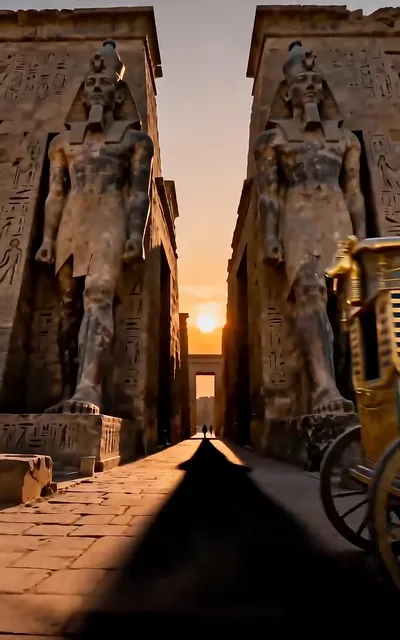
Ancient Egypt has never looked this lavish in this format — golden regalia, pyramids at dusk, reed baskets on the water. The confrontation in the courtyard had me leaning in.
'Would you spill Egyptian blood for a slave?' — the scarred prince does not step back. I need the next episodes immediately, the build toward the parted sea looks massive.